


As global oil prices fluctuate due to geopolitical instability, the future of Electric Vehicles (EVs) may no longer be purely on environmental optics but rather a strategic (and financial) necessity. Automakers are now positioning EVs as a more predictable and resilient alternative for both manufacturers and drivers. Major manufacturers have committed significant capital to this transition, with Ford targeting two million electric sales by 2026 and the Volkswagen Group aiming for a 70 percent electric sales share in Europe by 2030. While adoption was once slowed by practical concerns, the latest generation of vehicles is systematically removing these barriers. LUXUO explores the historical shortcomings and common misconceptions surrounding electric vehicles and how the newest models are redefining expectations.
Range Anxiety and Charging Speed
Early electric vehicles were limited by low battery capacity and an underdeveloped charging infrastructure, which made long-distance travel unpredictable and gave rise to “range anxiety” — the concern that a vehicle would run out of power before reaching a charging point. Today, advances in lithium-ion energy density, improved thermal management and widespread fast-charging networks have significantly extended real-world driving ranges and reduced charging times, making EVs more viable for everyday and long-distance use.
Tesla Model Y Long Range


This Model Y Long Range achieves a real-world distance of over 530 kilometres by utilising high-density lithium-ion cells and a highly aerodynamic body shape that minimises energy drag at high speeds. Beyond total distance, this model addresses the time-loss aspect of range anxiety through its compatibility with the Supercharger network. This proprietary infrastructure uses V3 hardware capable of delivering up to 250-kilowatts of power directly to the battery. In practical terms, this allows the vehicle to recover approximately 240 kilometres of range in 15 minutes. The car also features an active pre-conditioning system that warms or cools the battery to the ideal temperature while driving to a charger, ensuring the fastest possible energy intake upon arrival.
BYD Seal


This sedan utilises the proprietary “Blade Battery” which organises cells into long, thin structures that act as structural beams for the car’s chassis. This configuration maximises space efficiency, allowing for a larger battery capacity within a standard-sized vehicle frame. The Blade chemistry is based on Lithium Iron Phosphate (LFP), which is naturally more resistant to thermal runaway or overheating compared to standard nickel-based batteries. This stability allows the car to maintain high performance and consistent charging speeds even during repeated use in hot climates. By integrating the battery directly into the body of the car, BYD also lowers the centre of gravity, which improves handling and safety without sacrificing the energy density needed for long-distance travel.
Infrastructure and Ease of Access
A major hurdle for new buyers is the lack of public charging points, especially in rural areas or for those without a home charger.
Polestar 2


The Polestar 2 was the first vehicle to fully integrate the Android Automotive Operating System, which treats the car’s navigation like a high-end smartphone rather than a traditional static map. This system links directly to the car’s battery management software to provide accurate, real-time predictions of remaining charge upon arrival at a destination. If a trip exceeds the current battery level, the Google Maps interface automatically identifies chargers along the route based on their power output and current availability. This live data prevents drivers from arriving at a station only to find the plugs are out of service or occupied by other vehicles. The system also filters for “higher-power” stations to ensure that charging stops are as brief as possible.
Ford Mustang Mach-E

Ford addresses the fragmented nature of public charging through the BlueOval Charge Network, which acts as a universal digital key for over 100,000 chargers globally. Instead of requiring the driver to download separate apps and create individual payment accounts for different charging brands, the Mach-E uses a “Plug & Charge” technology. This allows the vehicle to communicate directly with the charging station to handle authentication and billing automatically once the cable is connected. The car’s onboard software also monitors the health of the charging network and provides live status updates to the dashboard. This ensures that drivers are guided only to functional, verified plugs, eliminating the common frustration of encountering broken hardware in remote areas.
Reliability and Long-Term Durability
Many drivers worry about the lifespan of an EV battery compared to a traditional internal combustion engine.
Lexus RZ 450e
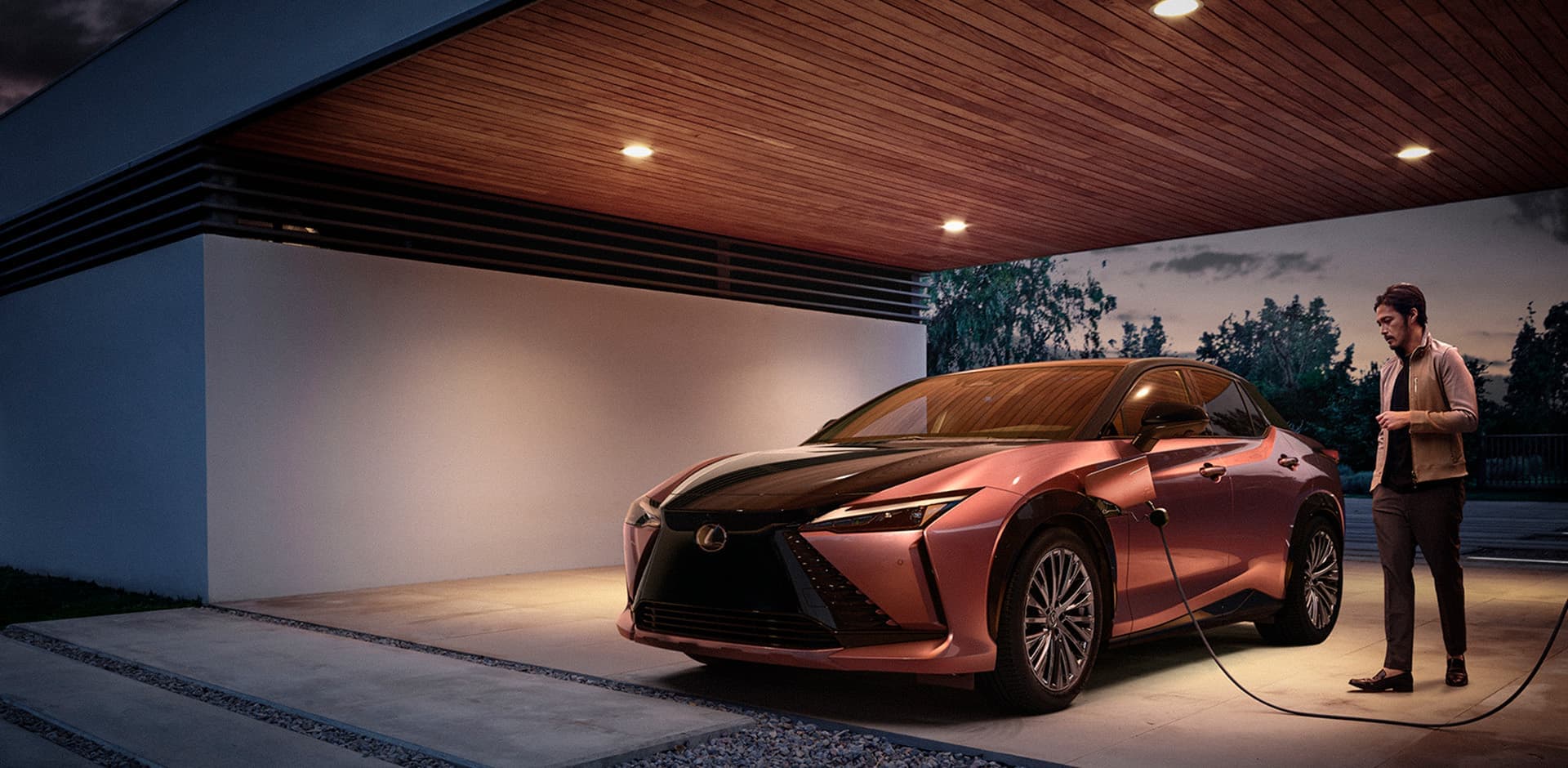
Lexus leverages decades of data from its hybrid vehicle fleet to implement an advanced liquid-cooling system that prevents the battery from reaching the high temperatures that cause permanent capacity loss. This thermal management system circulates coolant through the battery pack to keep internal temperatures stable during both rapid charging and high-speed driving. To further ensure long-term durability, the software restricts the battery from being fully depleted or overcharged, which protects the chemical integrity of the cells over hundreds of cycles. Lexus is so confident in this engineering that they offer an extended battery health guarantee that targets 90-percent capacity retention over 10 years of use. This focus on preventative cooling addresses the primary concern that electric powertrains might require expensive replacements after only a few years.
BMW iX

The BMW iX utilises a sophisticated CAN-bus diagnostic system that acts like a central nervous system, monitoring the voltage and temperature of every individual cell within the battery pack. If a single cell shows signs of underperformance, the vehicle’s software can isolate it to prevent it from affecting the efficiency of the surrounding cells. This allows for modular reports, where a technician can replace a specific internal component rather than the entire expensive battery assembly. The car also uses an “excited synchronous motor” design that does not rely on permanent magnets, which eliminates the need for rare-earth metals that can degrade or lose magnetic strength over time. This approach ensures that the motor maintains the same power output and efficiency after 200,000 kilometres as it did on day one.
Initial Cost versus Value
The “sticker price” — the manufacturer’s suggested retail price (MSRP) before any rebates or discounts — of an EV is often higher than a petrol car, which creates a barrier for budget-conscious buyers.
Alfa Romeo Junior Elettrica


The Junior Elettrica addresses the cost barrier by offering a tiered powertrain strategy that allows buyers to pay only for the performance they actually require. By providing versions with different motor outputs — ranging from 156 to 280 horsepower — Alfa Romeo can lower the entry-level price point for urban drivers who do not need maximum speed. This “modular” approach to the car’s specifications ensures that the premium design and interior materials remain accessible to a broader demographic. Furthermore, the car is built on a shared platform that benefits from massive manufacturing scales, which reduces the individual production cost per unit. This allows the brand to offer a high-end European driving experience at a price that competes directly with traditional petrol-powered hatchbacks.
Chevrolet Silverado EV


The Silverado EV is designed to justify its initial price through a “Total Cost of Ownership” model that focuses on the extreme efficiency of its Ultium battery platform. For commercial operators, the primary saving comes from the elimination of complex mechanical systems like multi-speed transmissions, oil filters and spark plugs, which significantly reduces scheduled maintenance costs. The truck also supports “bi-directional charging,” meaning it can act as a mobile power generator for tools on a job site, eliminating the need for expensive external petrol generators. Over a standard five-year fleet cycle, the lower cost per mile for electricity compared to diesel often offsets the higher upfront purchase price. This makes the vehicle a tool for increasing profit margins rather than just a replacement for a standard work truck.
The Sustainability Reality Check

Ultimately, an EV is only as clean as the energy used to power it. While these cars eliminate direct tailpipe emissions, their true green status is dictated by the local power grid. If a vehicle relies on electricity generated from coal or natural gas, the carbon footprint is simply shifted from the road to the power plant.
The transition to EVs is thus just one half of the equation. For motoring to be genuinely sustainable, it must be paired with a systemic shift toward renewable energy sources like wind and solar to ensure the fuel itself is as green as the car.
For more automobile reads, click here.