

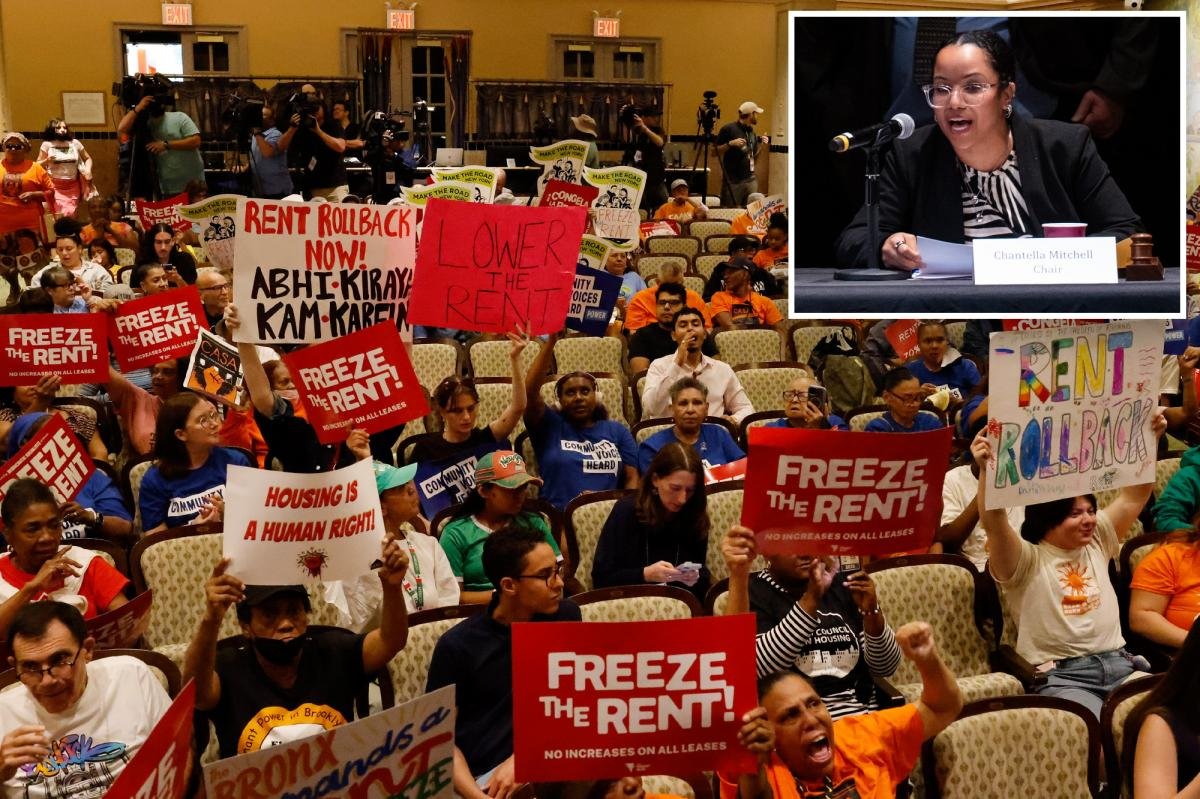

City Hall claimed an early win in a legal battle challenging Mayor Zohran Mamdani’s promised rent freeze, with a judge ruling that the suit was filed in the wrong borough.
That means the suit will have to be moved from Staten Island to Manhattan and puts on pause a further hearing on the actual issues at hand — including efforts by landlord and tenant supporting parties to join the suit.
Staten Island Judge Ralph Porzio, in ordering the case be relocated to Manhattan Supreme Court, noted that he “was prepared to decide the issue on the merits,” citing the “enormity and the impact this case has.”
“However, this venue motion… had to be decided, and I’ve decided it this way.”
A coalition of city landlords filed their lawsuit against the Rent Guidelines Board, calling its decision to freeze rents on 1 million rent-stabilized units for two years a rigged “sham” and “unlawful” a month ago in Staten Island Supreme Court.
But almost immediately, city lawyers signaled that they would challenge not just the lawsuit itself but that the suit’s lead litigator, former First Deputy Mayor and Mamdani legal foil Randy Mastro, filed the case in Staten Island.
Their argument was fairly technical: a lawsuit challenging an official government decision, known as an Article 78, must be filed where the decision was made — which they argue was in Manhattan.
“This venue motion has nothing to do with your honor’s ability to hear the case on its merits,” corporation counsel Steven Banks said on Friday in a virtual hearing. “It has to do with the importance of adhering to the rules.”
Mastro, who announced to the court that Friday was his birthday, said it was valid for him to bring the case on Staten Island, arguing that because the Rent Guidelines Board represents the city’s tenants and landlords, its decision will impact the borough’s 8,200 rent-stabilized units.
“Staten Island may be smaller in population than the other boroughs in our city, but it is every bit as important, and it is just as affected by this decision as any other borough,” Mastro argued.
Deborah Reigel, also repping the landlords, said that the city’s argument that Staten Island courtrooms were off-limits in this case because no rent freeze hearings were held in the borough “really invites bad behavior,” and could lead to city agencies avoiding holding meetings there in the future to stymie legal challenges.
But Porzio said Mastro and Reigel “misconstrued” the rules.
“The material event is not where the impact will be felt, but … where the proceedings were brought,” he read from his order.
“While the rent regulations will apply in Richmond County … neither the decision complained, nor the process undertaken to arrive at that determination, have a material connection to Richmond County,” Porizo’s ruling read.
While the decision is a small blow for Mastro and his clients, the case will still proceed as normal, with a later date in Manhattan for legal arguments on the merits of the challenge to be set soon, Porizo said.